
Residential Air Conditioning
Residential air conditioning (AC) systems are essential for maintaining comfort in homes, especially in warmer climates.
Here’s what you need to know
Types of Air Conditioning Systems
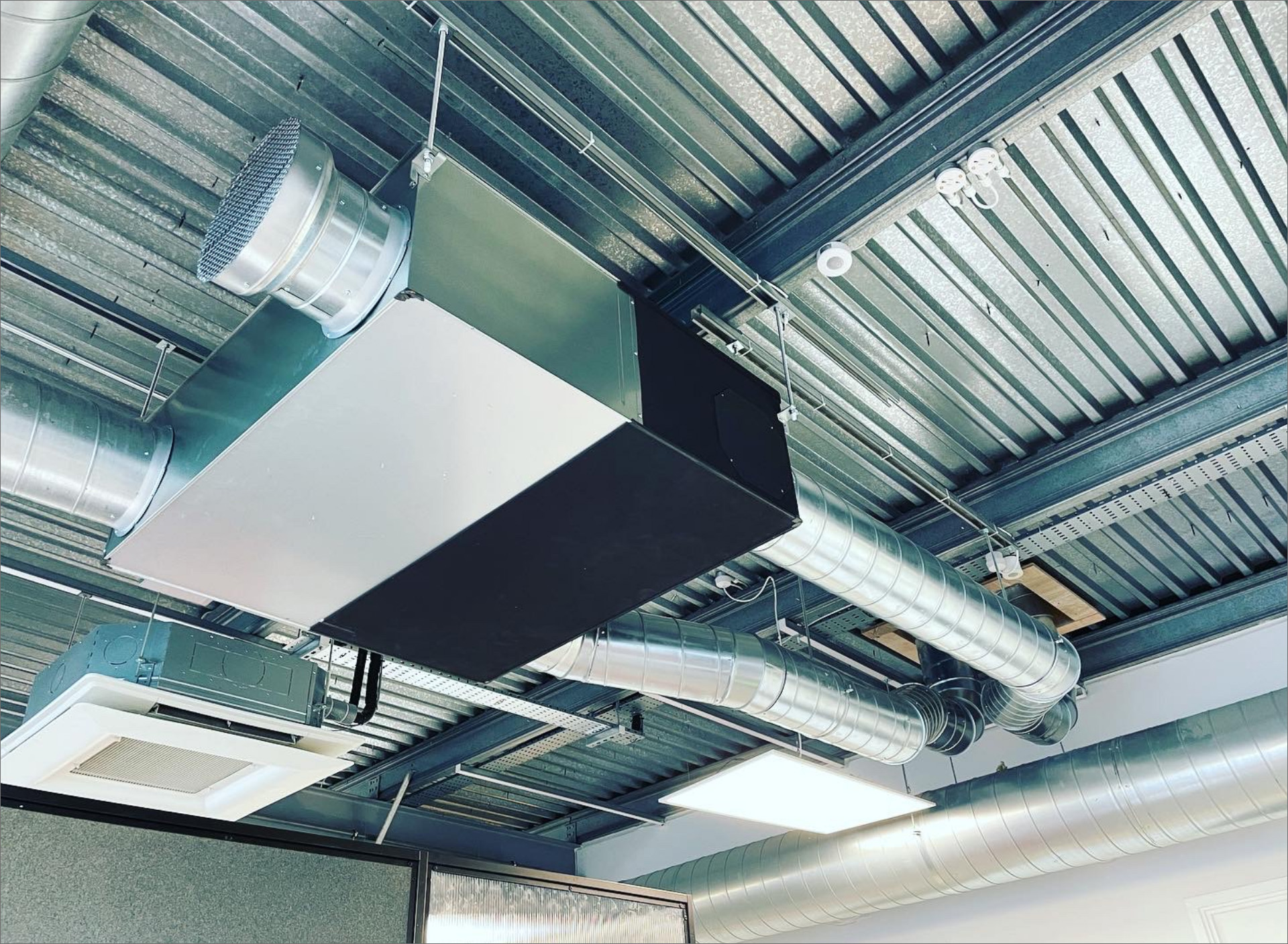
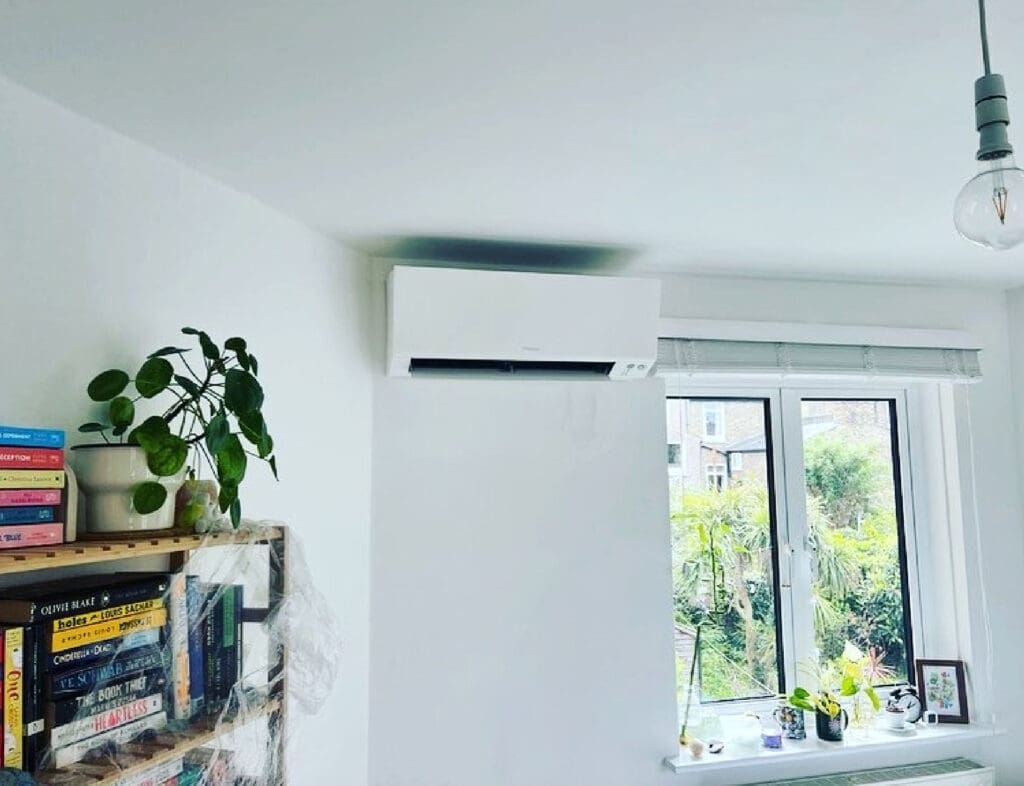
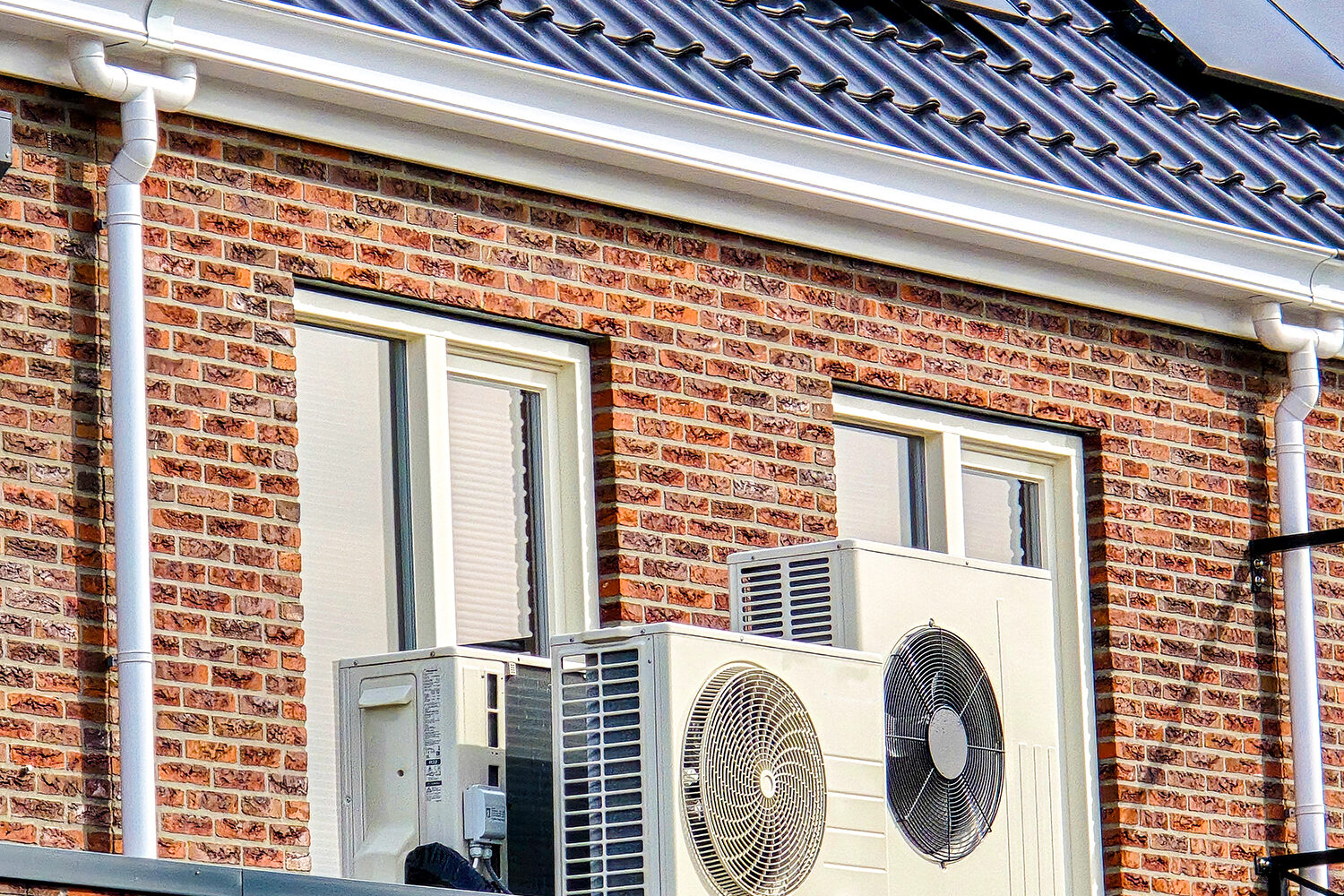
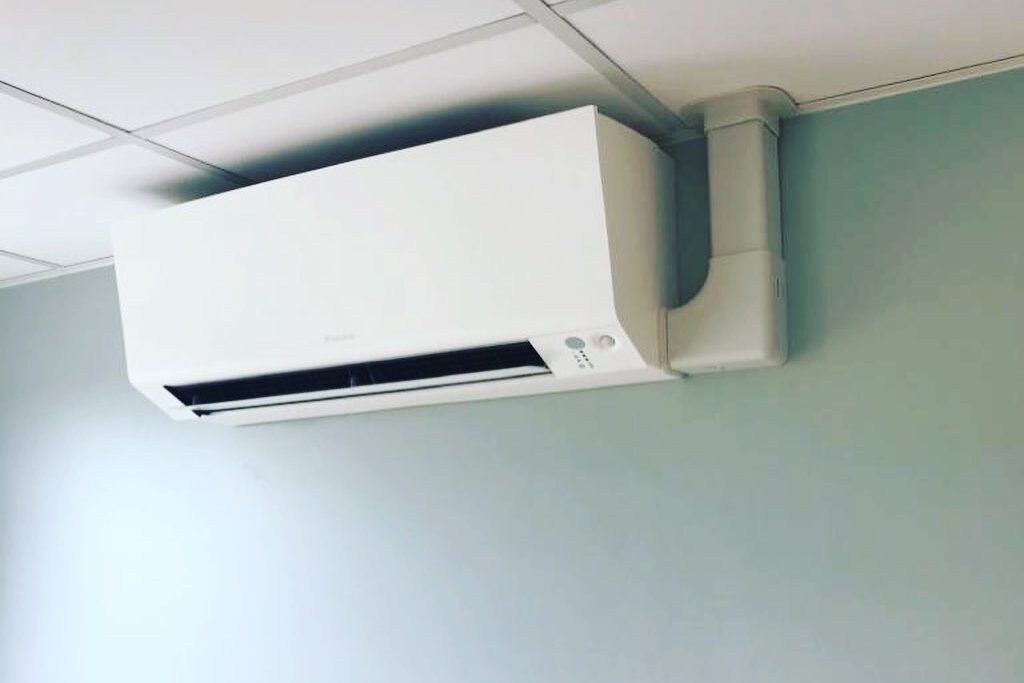
Central air conditioning systems cool entire homes by distributing air through a network of ducts and vents, providing consistent and even cooling throughout the space. For homes without existing ductwork, ductless mini-split systems offer an ideal solution with separate indoor and outdoor units that allow for flexible and efficient temperature control. Heat pumps are another versatile option, capable of both heating and cooling, and are particularly efficient in moderate climates, making them a practical choice for year-round comfort.
Get an instant quote
Get an instant, free quote for your air conditioning. Just fill in the form below with your rooms details!
How It Works
1
The thermostat detects the room temperature and signals the AC to cool down.
2
The compressor pumps refrigerant through the system, absorbing heat from inside and releasing it outside.
3
Cool air is blown into the home through ductwork or directly from the unit.
Maximizing Air Conditioning Efficiency
Tips, Maintenance, and Benefits
Energy Efficiency
SEER Rating – Seasonal Energy Efficiency Ratio; measures cooling efficiency. Higher SEER ratings indicate better efficiency.
Energy Star – Look for Energy Star-rated models for energy-saving options.
Maintenance Tips
Changing Filters – Regularly change or clean filters to ensure proper airflow and efficiency.
Clean Coils – Ensure evaporator and condenser coils are clean for optimal performance.
Check Ducts – Inspect and seal any leaks in ductwork to prevent energy loss.
Annual Service – Schedule professional maintenance at least once a year to ensure the system runs efficiently.
Preparing for Summer
Check System Operation – Test the AC before peak summer months.
Install Shades or Curtains – Block direct sunlight to reduce cooling load.
Use Fans – Ceiling or portable fans can enhance cooling efficiency.
Benefits of Air Conditioning
Comfort during hot weather
Improved air quality with filtration
Energy-efficient options can lower electricity bills
Considerations
Initial Cost vs. Lifespan – Higher upfront costs can lead to savings over time with energy-efficient models.
Climate Considerations – Choose a system suitable for your local climate conditions.
The Conclusion
By understanding these elements of residential air conditioning, you can make informed decisions about installation, maintenance, and troubleshooting!